


YOUR AIRCRAFT FIELD GUIDE
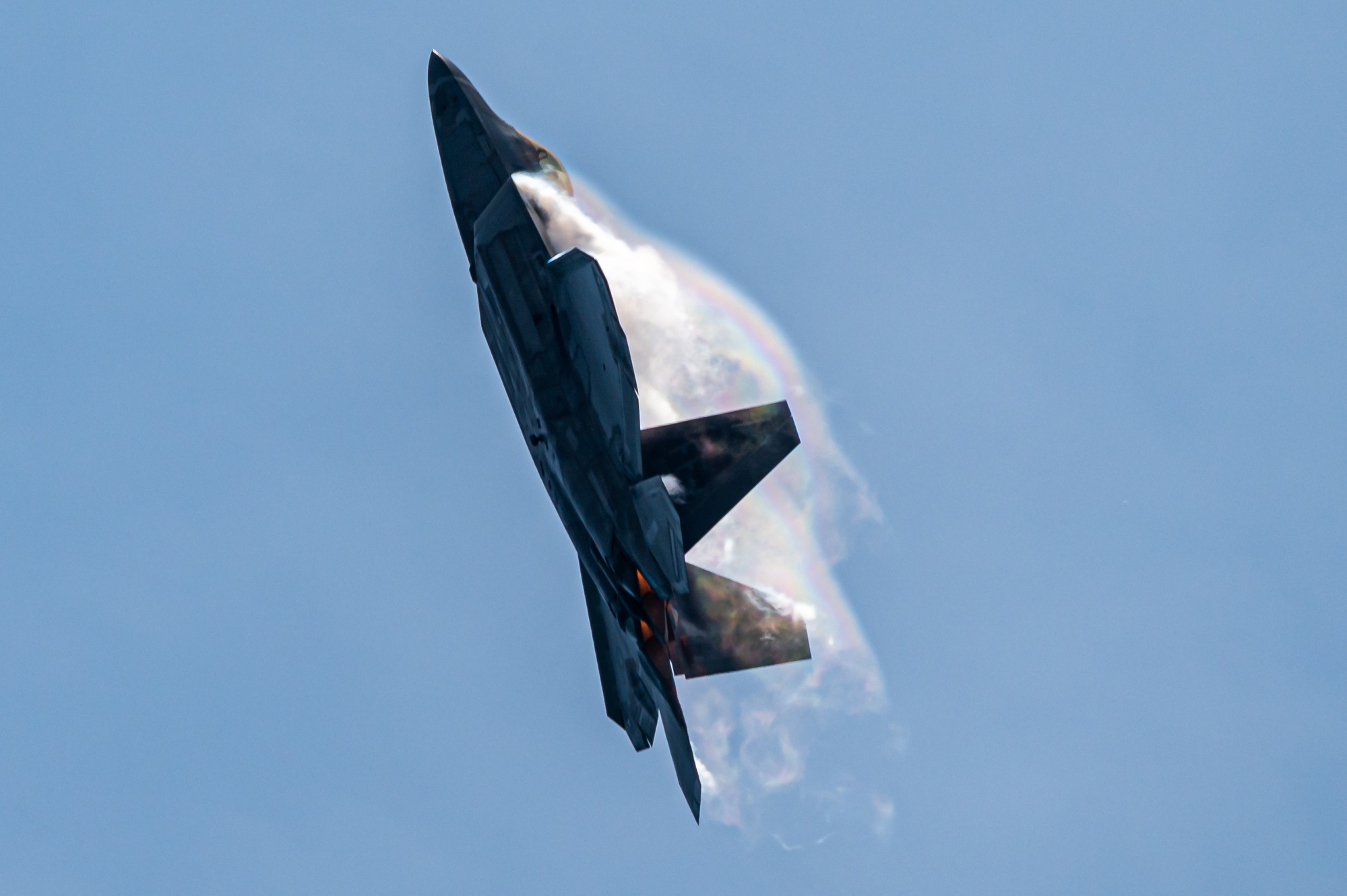
THE F-22 RAPTOR
The Fifth-Generation Fighter
Stealth. Speed. Sensors. Incredible maneuverability.
Discover what happens when they work together.
IN SYNC
- FLIGHT CREW
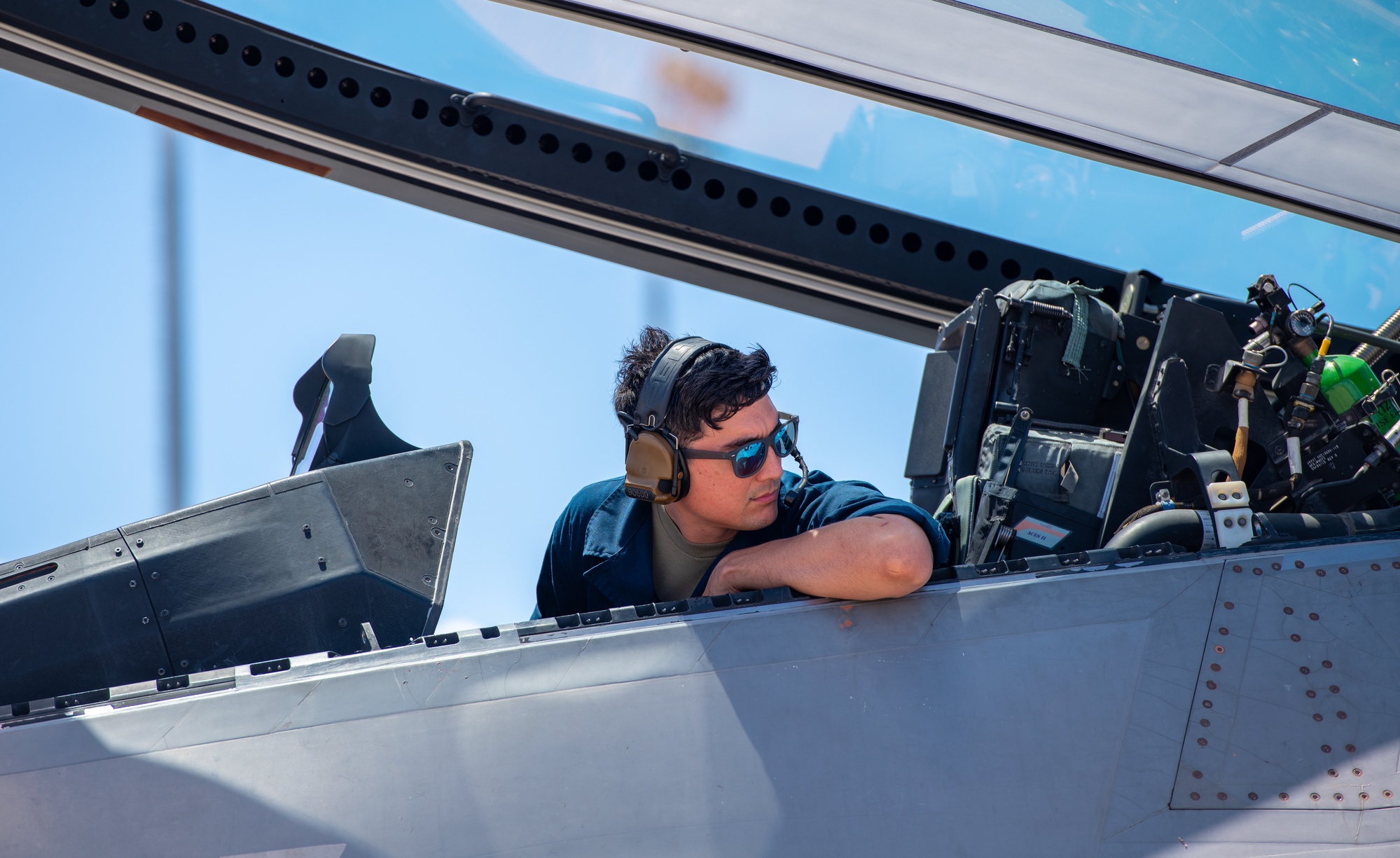
- 1 pilot
A single-seat fighter
- POWERED BY
- 2 engines
Pratt & Whitney F119s
- A SIGNATURE ABILITY
- Supercruise
Supersonic without afterburners
A NEW GENERATION
OF FIGHTER
The F-22 was designed to help the U.S. Air Force control the skies. Its job calls for speed and agility, but also the ability to detect threats while being difficult to detect itself.
The Raptor brings stealth, supercruise, maneuverability, and integrated electronics together in one aircraft. This combination is central to its identity as a fifth-generation fighter.
STEALTH:
HARDER TO DETECT
Radar sends out radio waves and listens for echoes. The Raptor’s shape and special materials help reduce the radar energy that returns to a radar system.
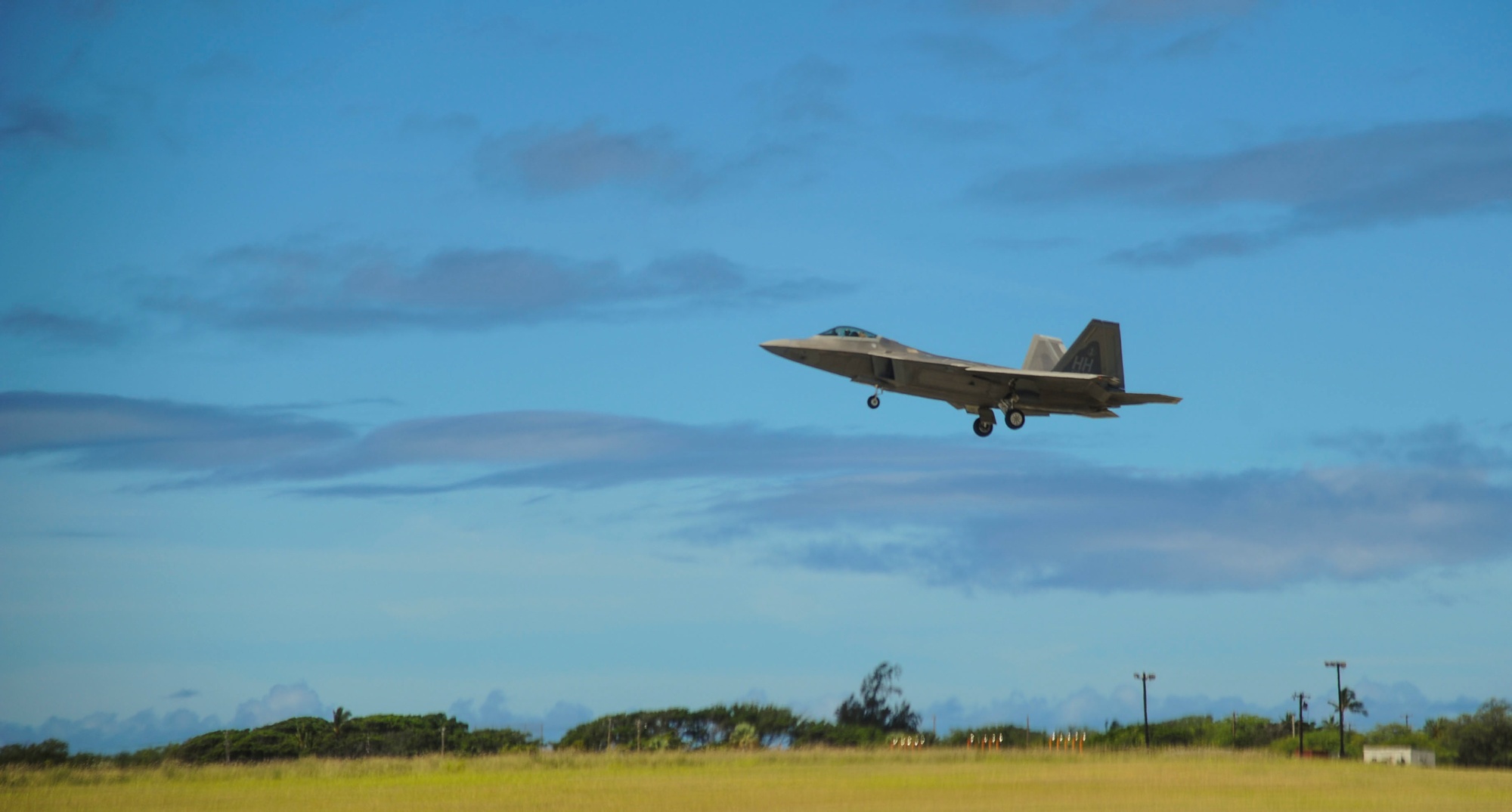
It can carry weapons in internal bays, helping preserve its stealthy design. Stealth makes the aircraft harder to detect and track; it does not make it invisible.
SUPERCRUISE:
SPEED THAT LASTS
An afterburner adds extra fuel to a jet engine’s exhaust for more thrust. It also uses fuel quickly. The F-22 can sustain supersonic flight without using its afterburners—an ability called supercruise.
The Air Force describes supercruise at speeds above Mach 1.5. That means more than one and a half times the local speed of sound. The Raptor still has afterburners when extra thrust is needed.
Flying faster than sound does not always require afterburners.
SENSORS:
BUILDING THE PICTURE
A pilot needs to understand what is happening beyond the cockpit. The F-22’s radar and other sensors gather information, while its computers combine it into a more useful picture.
This is called sensor fusion. The radar, weapons-control, and electronic-warfare systems work together, helping the pilot understand the situation and make decisions.
MANEUVERABILITY:
STEERING THE THRUST
The Raptor can change the direction of its engine thrust. Its exhaust nozzles direct thrust up or down, helping control where the nose points. This is called thrust vectoring.
The flight-control system coordinates the nozzles with the aircraft’s movable surfaces. Together, they give the pilot extra control during demanding maneuvers.
Now put the pieces together: stealth reduces detectability, speed helps the aircraft move quickly, sensors build awareness, and maneuverability helps it respond. Their combination is what makes the Raptor so distinctive.
Sources & photo credits
Research: U.S. Air Force F-22 fact sheet; National Museum of the U.S. Air Force; Air Force: Raptor maneuverability; Air Combat Command: maintaining stealth; Pratt & Whitney: F119 engines.
All three photographs are identified as public domain in their DVIDS records. Each caption links to its source and credits the photographer. DVIDS image-use information.